







I have a virtual tour on my website and would like an audit.

I don't have a virtual tour yet, would love a demo to see how it works.

With interactive, user-friendly digital experiences that are far more captivating than static images and text, virtual technology is completely changing how aspirational students find college and university campuses. Through remote access, virtual technology facilitates a realistic experience, expanding educational institutions’ perspectives and facilitating seamless decision-making.
What Important Change Virtual Technology Brings to Campus Exploration?
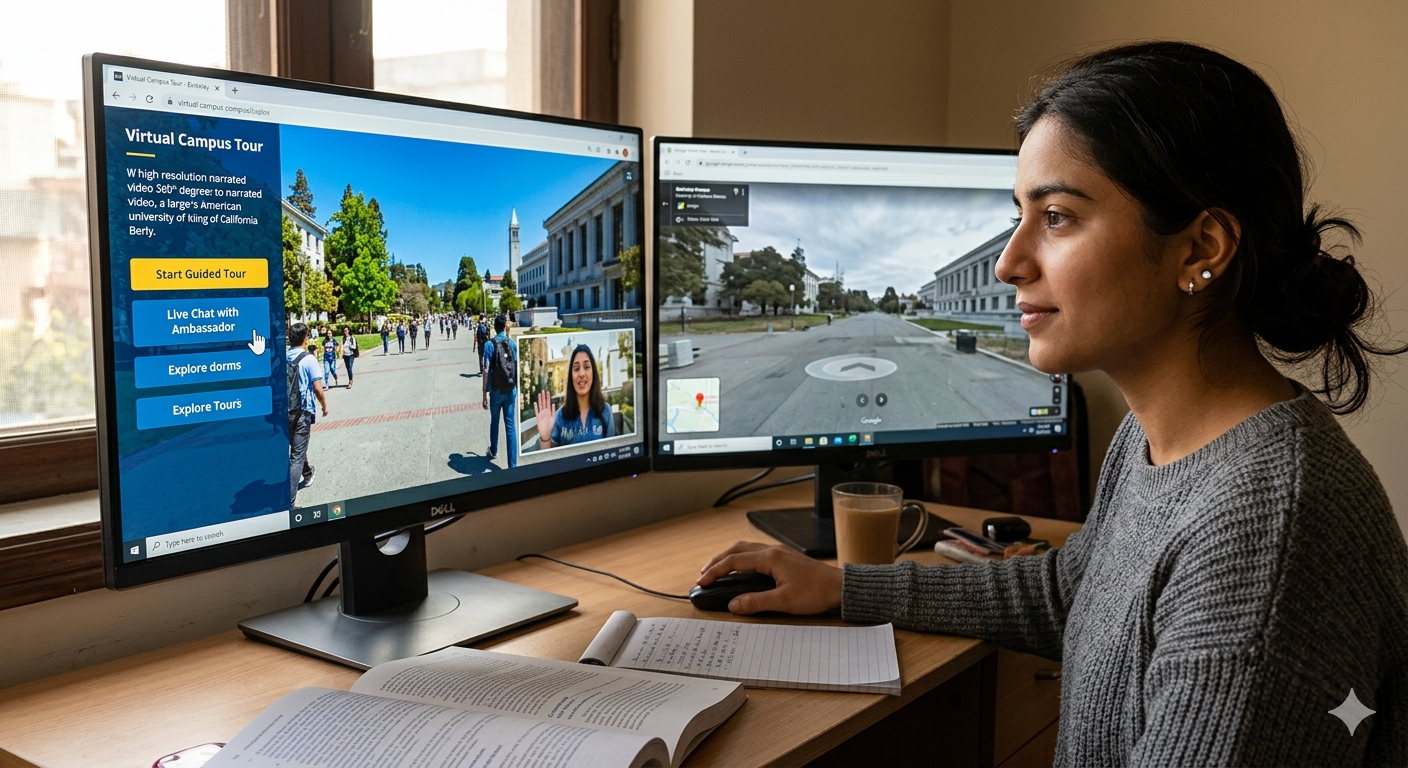
Conventional campus exploration depends on physical visits or a website’s static digital content, which can limit understanding of campus spaces and accessibility for remote prospects. Virtual technology provides solutions to these problems by creating 360° tours and seamless walkthroughs that allow prospects to explore ambiance with control over navigation, context, and pacing, alternating many aspects of an in‑person visit. This change supports more informed and easy evaluation of campus facilities, student life, and campus layout from any location.
How Does Virtual Technology Improve Location’s Understanding?
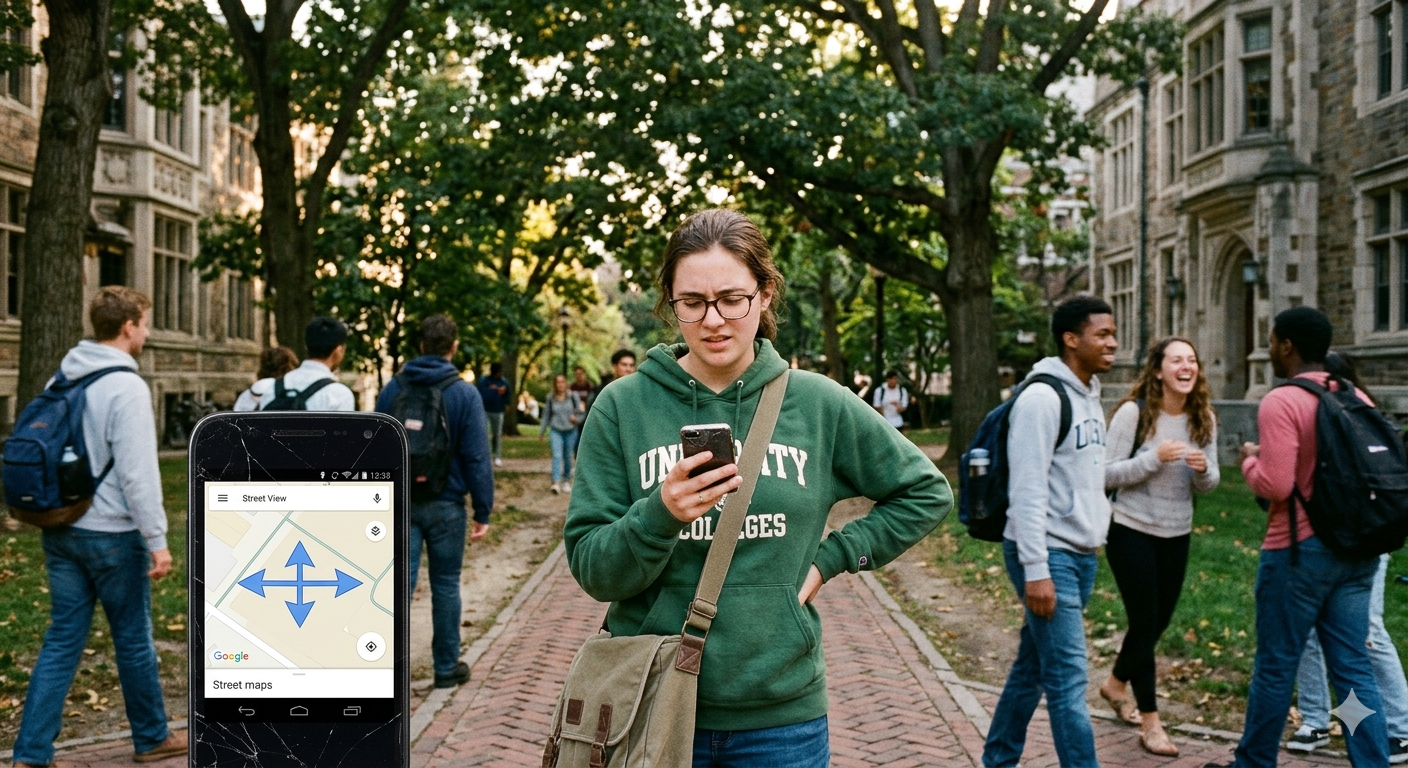
Location understanding is a common challenge when students rely on photos or campus maps. Static images capture single perspectives with no sense of engagement or scale, making it challenging to visualize how spaces connect or how a campus functions as an integrated environment.
Immersive technology makes it easy by enabling:
- 360° panoramas that allow users to look around environments from a fixed position.
- An interactive navigation system that lets users move through buildings and outdoor areas as if they were physically there.
- Interactive elements such as hotspots, floor plans, and pop-ups that provide details about important features and amenities throughout the space.
These interactive features aid prospective students in comprehending the scale, flow, and layout of the campus. It facilitates improved institutional comparisons and lessens uncertainty.
How Does Immersive Technology Contribute to Remote Access and Inclusion?
Prospective students may find it difficult to visit campuses in person due to distance, time constraints, travel costs, and visa restrictions. This presents a significant obstacle for international and remote learners.
Immersive technology makes access better by:
- Removing geographic barriers: Virtual tours allow evaluation without travel planning or time‑zone constraints.
- Offering on‑demand access: Prospective students can revisit spaces at their ease..
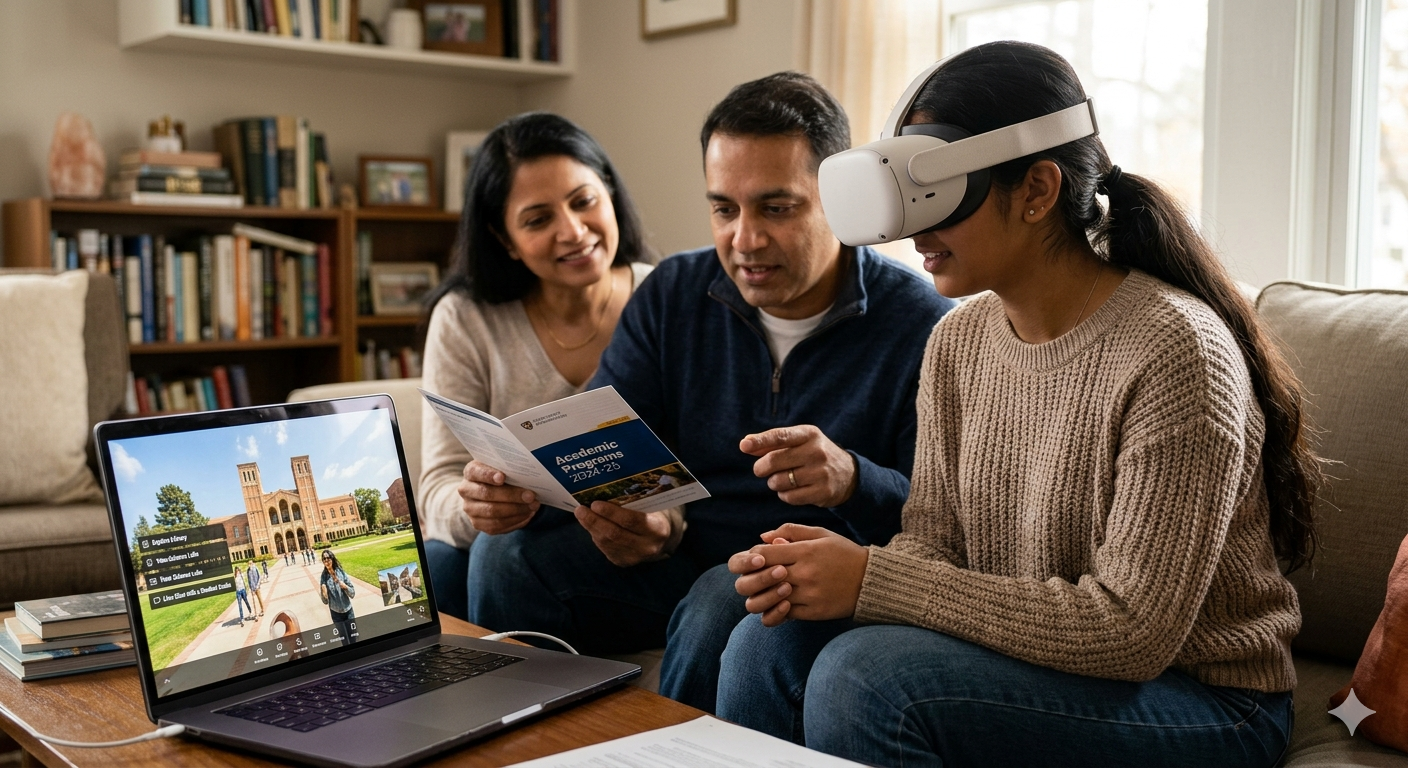
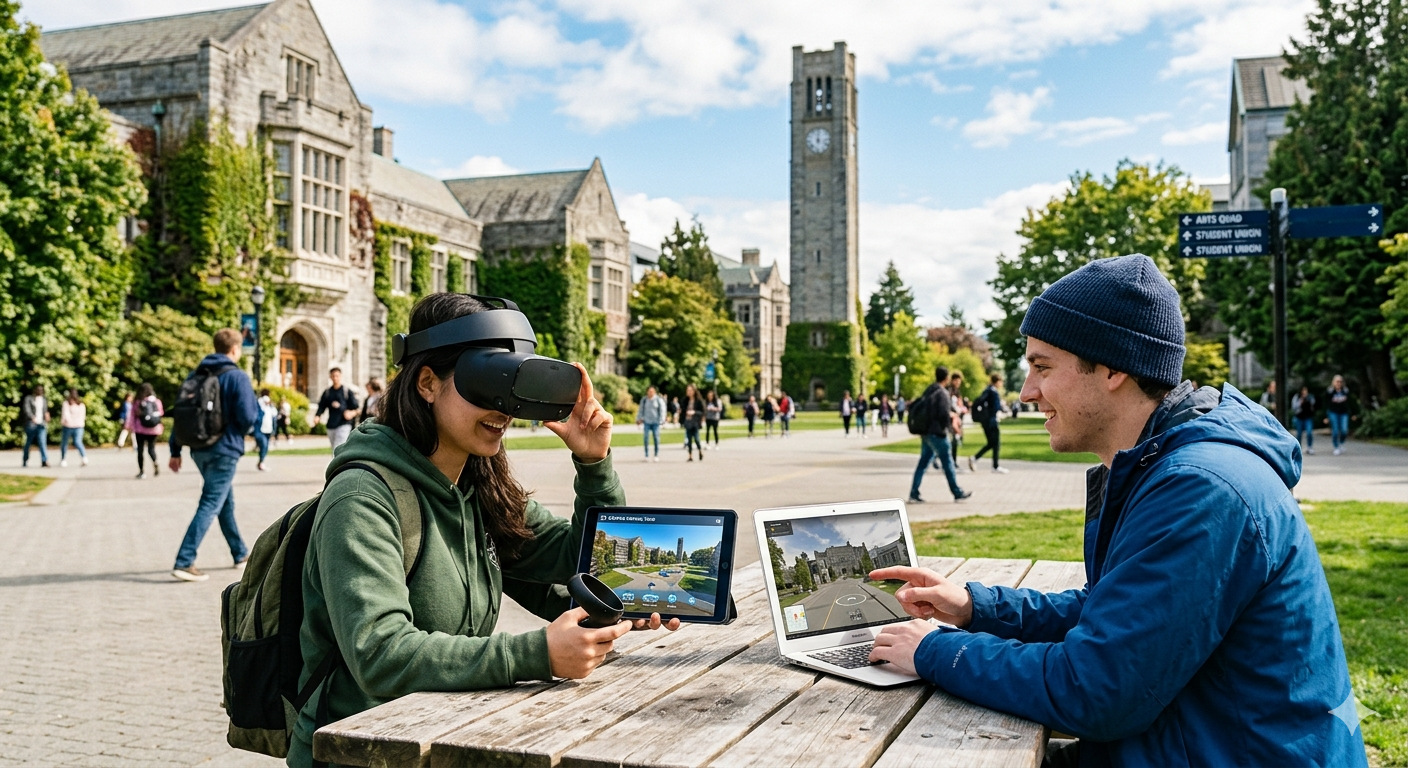
- Supporting device flexibility: Modern virtual experiences work across standard platforms, from desktop computers to mobile devices.
By removing location barriers, digital experiences allow remote and diverse audiences to explore campuses in depth, just like local visitors, while helping institutions foster openness and trust online.
Which Engaging Technologies Enable Campus Exploration?
Immersive campus experiences draw from several categories of technology, each adding distinct value:
- 360° Virtual Tours: Users can look around in all directions from a single spot with immersive panoramic views. This helps them feel present in the space and understand the campus environment more clearly.
- Narrated Virtual Tours: Integrate visual exploration with voice narration that explains important features, shares historical insights, and adds context to each space, which helps visitors understand the campus more easily.
- Interactive Walkthroughs: Allow customers to move through spaces, explore connected areas, and interact with embedded information hotspots or multimedia content.
- Floor Plan Integration and Hotspots: Improve tours with floor plan navigation and clickable hotspots that show more information about key facilities.
Combining these technologies allows users to have an immersive experience that improves their comprehension and clarity when exploring the campus.
What is the Impact of Immersive Technology in Decision-Making in Higher Education?
Many potential students want a thorough understanding of a campus’s environment and culture before investing time and resources to visit it. This is made feasible by immersive technology through:
- Increasing engagement: Students are encouraged to explore and pay attention when there are interactive elements.
- Enabling reflection: Prospective students can revisit virtual environments to simplify impressions and collect insights.
- Information standardization: By displaying functional layout rather than carefully chosen snapshots, consistent digital formats make it easier to compare institutions more impartially.
Later stages of enrollment decision-making are supported by these factors, which reduce uncertainty and produce richer digital impressions.
What Are Considerations for Immersive Campus Experiences?
Practical advice if institutions are thinking about incorporating immersive technologies for campus exploration includes:
- Evaluate technical compatibility: Enable seamless access to virtual experiences across different devices and network conditions.
- De-emphasize scrolling or swiping: Use lenses like narration, multimedia elements, or contextual hotspots more than scrolls and swipes; best to avoid the image-only experience.
- Align with digital strategy: Extend immersive experiences across admissions pages, program pages and search platforms to increase visibility and engagement.
- Monitor analytics: Track how users interact with virtual environments to refine content and inform future improvements.
These steps help maximize the value of immersive offerings and align them with broader digital engagement goals.
Common Misconceptions About Virtual Campus Tours
Myth: Immersive Technology Can Substitute for In-Person Visits H3
It’s an assumption that immersive campus experiences eliminate the necessity for physical visits. But they are intended to supplement them by providing prospective students an early taste of the campus and priming them for future in-person exploration.
Focusing More on Visual Appearance Than Informational Value H3
A similar mistake is to concentrate only on panoramic aesthetics without inserting informative content.
Without context, such as descriptions, narration, or interactive details, immersive tours may fail to support meaningful evaluation or decision making.
FAQs
Immersive technology are digital tools like 360° tours and interactive walkthroughs that offer navigable, engaging representations of campus spaces.
Yes, contemporary immersive experiences are typically designed to function across smartphones, tablets, and desktops.
They do not replace visits but serve as a preparatory and evaluative tool that enhances understanding before an in‑person tour.
Narrated tours add audio context and descriptive detail, deepening comprehension of space, history, and facilities.
They enable location‑independent exploration, allowing prospective students to engage with campus environments without travel barriers.
I have a virtual tour on my website and would like an audit.
I don't have a virtual tour yet, would love a demo to see how it works.