







I have a virtual tour on my website and would like an audit.

I don't have a virtual tour yet, would love a demo to see how it works.

The 2027 ADA web accessibility deadline requires many public universities and other public entities to ensure that their web content and mobile applications meet WCAG 2.1 Level AA accessibility standards. This includes digital experiences that students use to access information, making it important for institutions to review websites, online tools, and virtual campus experiences as part of broader accessibility planning.
What Is the 2027 ADA Web Accessibility Deadline?
The U.S. Department of Justice has established compliance deadlines under Title II of the Americans with Disabilities Act (ADA) for state and local government entities to make digital content accessible.
For many larger public entities, compliance is required by April 26, 2027, while smaller public entities and special districts have until April 26, 2028 to comply with WCAG 2.1 Level AA standards.
For universities that fall under Title II, digital accessibility planning extends beyond webpages to include online experiences that students use throughout the admissions and enrollment journey.
Why Does the Deadline Matter for Universities?
University websites have become primary sources of information for prospective and current students.
Students commonly access:
- Admissions information
- Academic program pages
- Campus maps
- Student services
- Event information
- Virtual campus experiences
If digital resources are difficult or impossible for individuals with disabilities to use, equal access to information may be limited.
Preparing before the compliance deadline helps institutions identify accessibility gaps while allowing sufficient time for improvements.
Which Digital Experiences Should Universities Review?
Accessibility planning should cover more than traditional webpages.
Universities may evaluate digital resources such as:
- University websites
- Online application portals
- Mobile applications
- Interactive campus maps
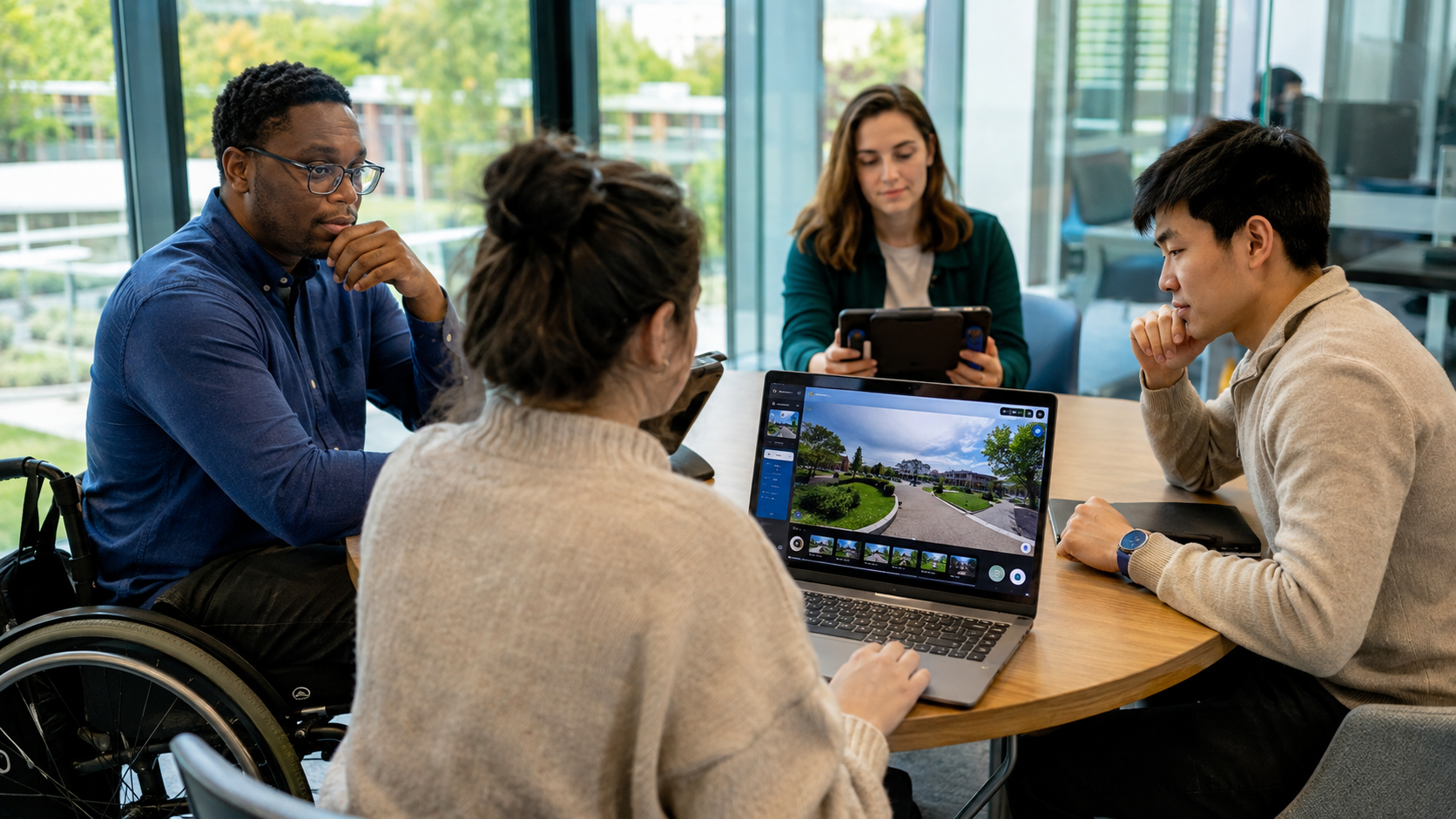
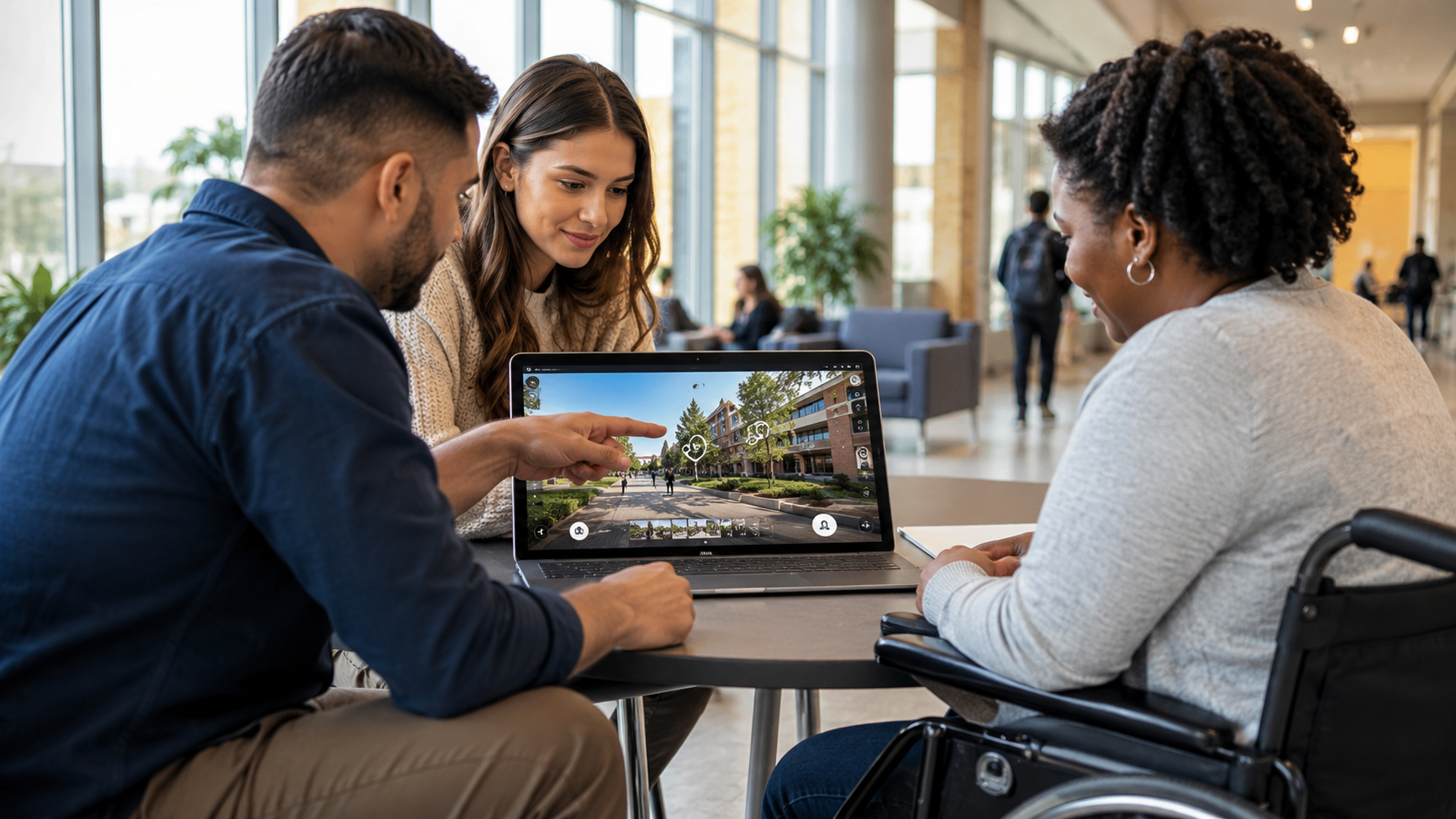
- Virtual campus tours
- Multimedia content
- Downloadable documents
Each digital experience should be reviewed for accessibility rather than assuming compliance across all platforms.
How Do Virtual Campus Tours Fit Into Accessibility Planning?
Virtual campus tours have become an important part of the student decision-making process.
Because these experiences often include interactive navigation, multimedia, and visual content, accessibility should be considered during planning and development.
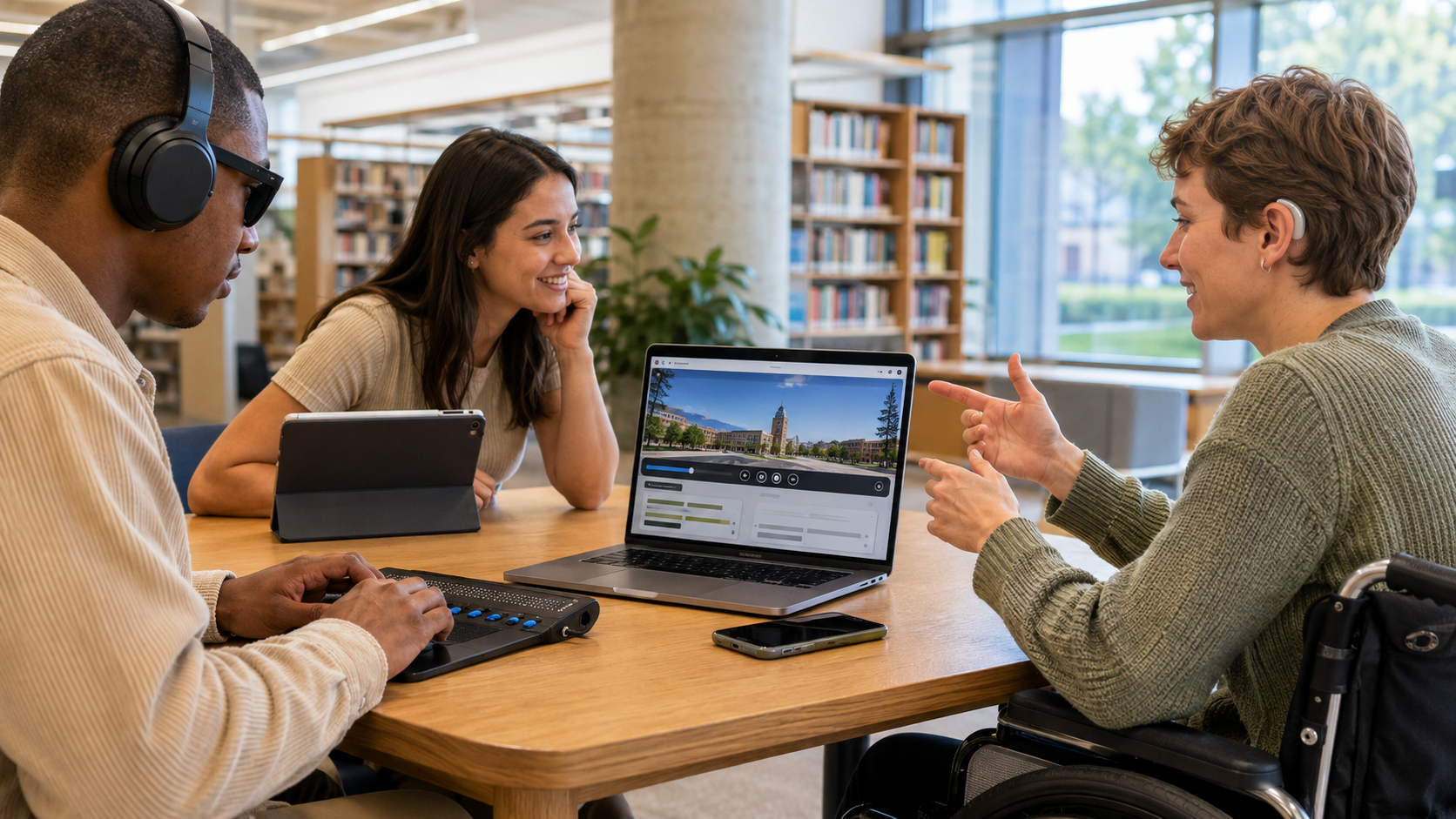
Depending on the technology used, accessibility considerations may include:
- Keyboard navigation
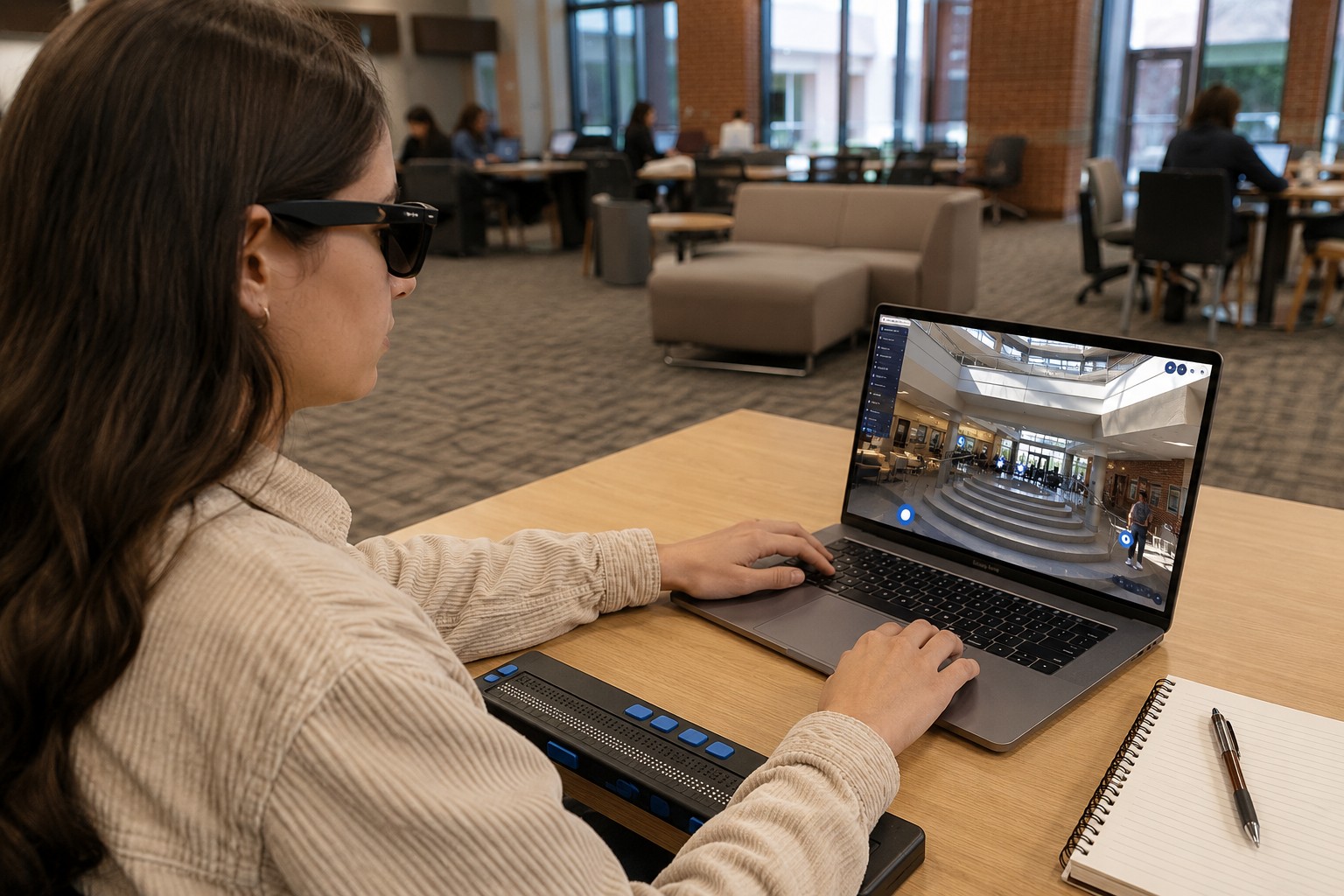
- Screen reader compatibility
- Alternative text for meaningful images
- Captions or transcripts for multimedia
- Clear navigation controls
Reviewing virtual tours alongside other digital resources helps create a more consistent user experience.
What Is WCAG 2.1 Level AA?
The Web Content Accessibility Guidelines (WCAG) 2.1 Level AA provide internationally recognized recommendations for making digital content accessible.
The guidelines focus on four core principles.
Digital content should be:
- Perceivable
- Operable
- Understandable
- Robust
Rather than prescribing one technology, WCAG establishes functional requirements that help ensure content can be accessed by people with a wide range of disabilities.
How Can Universities Prepare Before the Deadline?
Accessibility improvements are typically more effective when completed as part of an organized review rather than through isolated updates.
Preparation may include:
- Identifying digital content currently in use
- Reviewing websites and applications against accessibility standards
- Evaluating interactive experiences
- Prioritizing high-traffic student resources
- Updating inaccessible content over time
A structured review process can help institutions understand where improvements are needed while supporting long-term accessibility efforts.
What Are the Benefits of Early Accessibility Planning?
Waiting until the compliance deadline can create unnecessary pressure for large institutions with extensive digital content.
Early planning provides opportunities to:
- Address issues gradually
- Improve digital usability
- Create more inclusive student experiences
- Support consistent access across digital platforms
- Reduce the need for last-minute changes
Accessibility improvements often benefit a broader audience by making digital content easier to navigate and understand.
Common Misunderstandings About the 2027 ADA Deadline
The deadline only applies to websites.
Web accessibility planning may extend to other digital experiences, including mobile applications and interactive online content used by students.
Virtual campus tours are automatically accessible.
Accessibility depends on how a virtual tour is designed and whether it supports recognized accessibility practices.
Compliance is only relevant before the deadline.
Accessibility should be viewed as an ongoing process because websites and digital content continue to change over time.
Accessibility only benefits users with disabilities.
Many accessibility improvements improve navigation, clarity, and usability for a wider range of users.
FAQs
It is the compliance deadline by which many public entities must make web content and mobile applications conform to WCAG 2.1 Level AA requirements.
Many public universities that fall under Title II of the ADA are affected by the updated accessibility requirements.
Interactive digital experiences used by students should be evaluated as part of an institution’s overall accessibility review.
The Department of Justice references WCAG 2.1 Level AA as the applicable technical standard.
No. Accessibility should be maintained as digital content and technology continue to evolve.
Conclusion
The 2027 ADA web accessibility deadline represents an important milestone for public universities as digital accessibility expectations continue to evolve.
Preparing for compliance involves reviewing the full digital experience, including websites, mobile applications, interactive content, and virtual campus tours. By understanding the requirements of WCAG 2.1 Level AA and adopting a structured approach to accessibility, universities can provide more inclusive access to information while supporting long-term digital usability.
I have a virtual tour on my website and would like an audit.
I don't have a virtual tour yet, would love a demo to see how it works.