







I have a virtual tour on my website and would like an audit.

I don't have a virtual tour yet, would love a demo to see how it works.

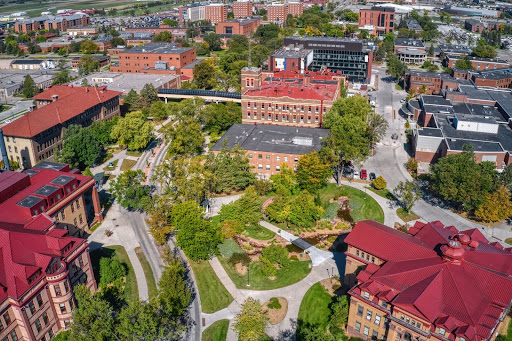
Virtual tours reduce uncertainty for prospective students by providing realistic, self-guided access to campus environments without requiring physical visits. They help students understand campus layout, facilities, and spatial relationships, allowing more confident and informed evaluation before making enrollment decisions.
Why Uncertainty Exists in Campus Evaluation
Prospective students often make decisions based on limited information. Photos, brochures, and short videos present curated views but rarely explain how a campus functions as a connected environment.
This lack of context leads to uncertainty about availability of facilities and overall campus experience. Without spatial continuity, students may struggle to visualize daily life on campus.
Practical guidance involves replacing fragmented visual materials with immersive formats that allow full exploration.
How Virtual Tours Improve Spatial Understanding
Campus environments are navigated through movement rather than isolated observation. Academic buildings, housing, and shared spaces are experienced in sequence.
Virtual tours allow users to move continuously through campus spaces, providing:
- Clear understanding of layout and proximity
- Accurate perception of scale
- Logical transitions between areas
This spatial clarity reduces guesswork and supports informed judgment.
Supporting Remote and International Students
Many prospective students evaluate institutions from a distance due to geographic, financial, or scheduling constraints.
Virtual tours offer:
- On-demand access to campus spaces
- Consistent exploration regardless of location
- Ability to revisit areas multiple times
This repeated exposure helps remote students confirm impressions and reduce uncertainty before applying or enrolling.
Setting Accurate Expectations Before Enrollment
Mismatch between expectations and reality contributes to dissatisfaction and attrition. Static visuals often emphasize highlights rather than everyday conditions.
Virtual tours present environments as continuous, navigable spaces. This realism helps:
- Align expectations with actual conditions
- Reduce surprises after enrollment
- Improve confidence in final decisions
Accurate representation is essential for long-term commitment.
Supporting Comparison Across Multiple Institutions
Students frequently evaluate several universities simultaneously. Differences in photo quality and presentation style can distort comparisons.
Virtual tours provide a standardized way to compare campuses by:
- Presenting spaces in consistent formats
- Allowing objective evaluation of layout and facilities
- Highlighting functional differences rather than visual staging
This consistency supports clearer decision-making.
Technology Categories Used to Reduce Decision Uncertainty
Institutions commonly rely on digital experience categories that support immersive evaluation, including:
- Virtual campus tours
- Interactive walkthrough platforms
- Immersive digital environments
These tools prioritize exploration and clarity over promotion.
Common Mistakes and Misconceptions
Virtual tours eliminate the need for in-person visits
They support early-stage evaluation but do not replace physical visits entirely.
Photos provide sufficient information
Photos lack movement and do not communicate spatial relationships effectively.
Virtual tours only benefit international students
They support all students who cannot visit campuses immediately.
FAQs
They provide realistic, navigable access to campus spaces.
Yes, by aligning expectations with actual campus environments.
They help students evaluate fit before committing to applications.
Most modern tours are designed for accessibility across standard devices.
Conclusion
Prospective students face significant uncertainty when evaluating campuses remotely. Incomplete or static visual materials often leave critical questions unanswered.
Virtual tours reduce this uncertainty by offering immersive, realistic access to campus environments. They improve spatial understanding, support remote evaluation, and help students make confident, informed decisions before enrollment.
As digital evaluation becomes central to higher education decision-making, virtual tours serve as a practical tool for reducing uncertainty and improving clarity.
I have a virtual tour on my website and would like an audit.
I don't have a virtual tour yet, would love a demo to see how it works.