







I have a virtual tour on my website and would like an audit.

I don't have a virtual tour yet, would love a demo to see how it works.

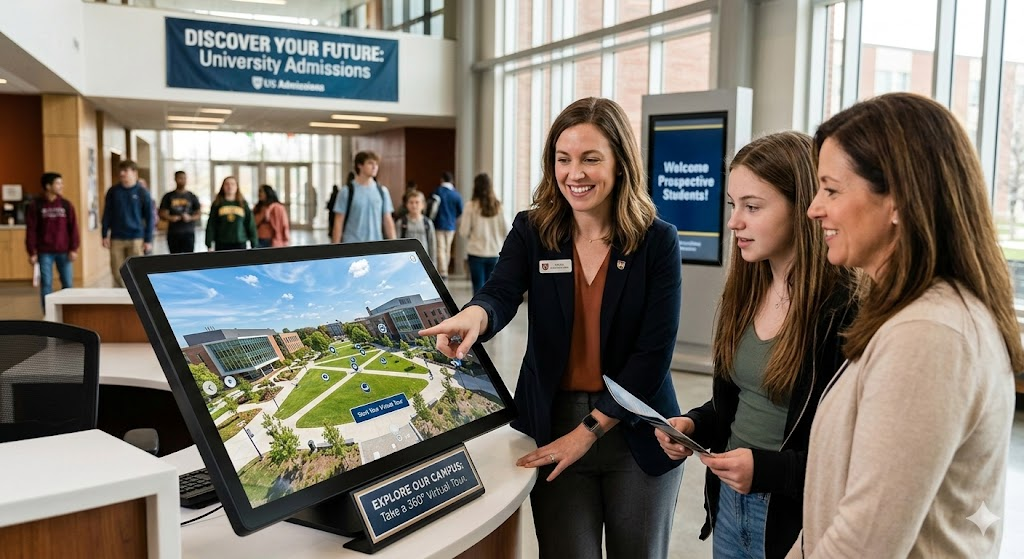
Universities can make campus experiences accessible to remote students by using virtual walkthroughs and immersive digital environments that allow full exploration of campus spaces without requiring physical presence. These experiences remove geographic and mobility barriers while enabling informed evaluation of facilities, layout, and resources.
Solutions such as those provided by Mass Interact support this access through structured, interactive campus exploration.
Why Physical Distance Limits Campus Access
Many university audiences are unable to visit campuses in person due to location, scheduling constraints, travel costs, or visa limitations. International students, remote learners, and decision-makers often rely on incomplete digital materials when evaluating institutions.
This creates a gap between interest and understanding. Without spatial context, prospective students struggle to visualize campus life, assess facilities, or feel confident about their choices.
Practical guidance involves replacing static content with interactive experiences that allow remote audiences to explore campuses on their own terms.
How Virtual Walkthroughs Remove Geographic Barriers
Virtual walkthroughs provide location-independent access to campus environments. Instead of relying on isolated images or scheduled video tours, remote students can explore buildings, outdoor areas, and shared spaces at any time.
This approach allows:
- Consistent access across time zones
- Exploration without travel planning
- Equal availability for all prospective students
For universities, this ensures that distance does not prevent meaningful engagement.
Why Spatial Understanding Is Critical for Remote Evaluation
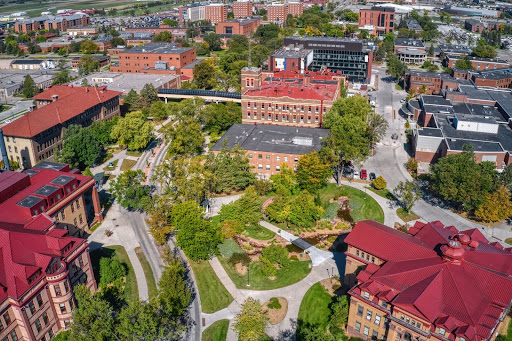
Universities function as interconnected environments rather than isolated buildings. Academic spaces, residence halls, libraries, and recreational areas form daily movement patterns that influence student experience.
Virtual walkthroughs allow users to understand:
- Proximity between facilities
- Scale of buildings and outdoor areas
- Logical transitions across campus zones
This spatial clarity supports confident decision-making by reducing uncertainty and misinterpretation.
Improving Accessibility for Diverse Student Needs
Accessibility includes more than physical infrastructure. It also includes digital access to information and experiences.
Virtual walkthroughs support accessibility by:
- Allowing exploration without physical strain
- Supporting users with mobility limitations
- Providing consistent access regardless of location
This ensures that remote students can evaluate campuses independently and fairly.
- Allowing exploration without physical strain
Supporting Admissions and Institutional Transparency
Admissions processes increasingly rely on digital touchpoints. Virtual walkthroughs offer a transparent way to present campus environments without selective framing.
Remote audiences can:
- Explore facilities relevant to their programs
- Understand campus layout realistically
- Set accurate expectations before applying
This transparency builds trust and aligns with institutional commitments to clarity and openness.
Technology Categories That Enable Remote Campus Access
Universities typically use a combination of digital tools to support remote exploration, including:
- Virtual walkthrough platforms
- Interactive campus mapping systems
- Immersive digital environments
These categories focus on experience and accessibility rather than promotion, helping institutions communicate space and structure clearly.
Mass Interact operates within this category by enabling structured, interactive campus walkthroughs designed for remote access and evaluation.
Common Misconceptions About Remote Campus Experiences
Virtual walkthroughs replace in-person visits
They complement physical visits by helping students decide if and when travel is necessary.
Static photos are sufficient for remote audiences
Photos lack spatial continuity and do not communicate layout or flow effectively.
Virtual experiences are only useful for international students
Remote access benefits all audiences who cannot visit immediately or frequently.
FAQs
They provide immersive, self-guided exploration of campus spaces without requiring physical presence.
Most modern walkthroughs are designed to function across standard devices and platforms.
Yes, they improve access for users facing geographic or mobility limitations.
They help prospective students form realistic expectations before applying or visiting.
Conclusion
Universities increasingly serve audiences that evaluate campuses remotely. Providing accessible, accurate, and immersive digital experiences is now a strategic requirement rather than an enhancement.
Virtual walkthroughs allow institutions to remove geographic barriers, support accessibility, and communicate campus environments transparently. By enabling realistic exploration without physical presence, universities can ensure that remote students have equal opportunity to understand and assess campus experiences.
I have a virtual tour on my website and would like an audit.
I don't have a virtual tour yet, would love a demo to see how it works.