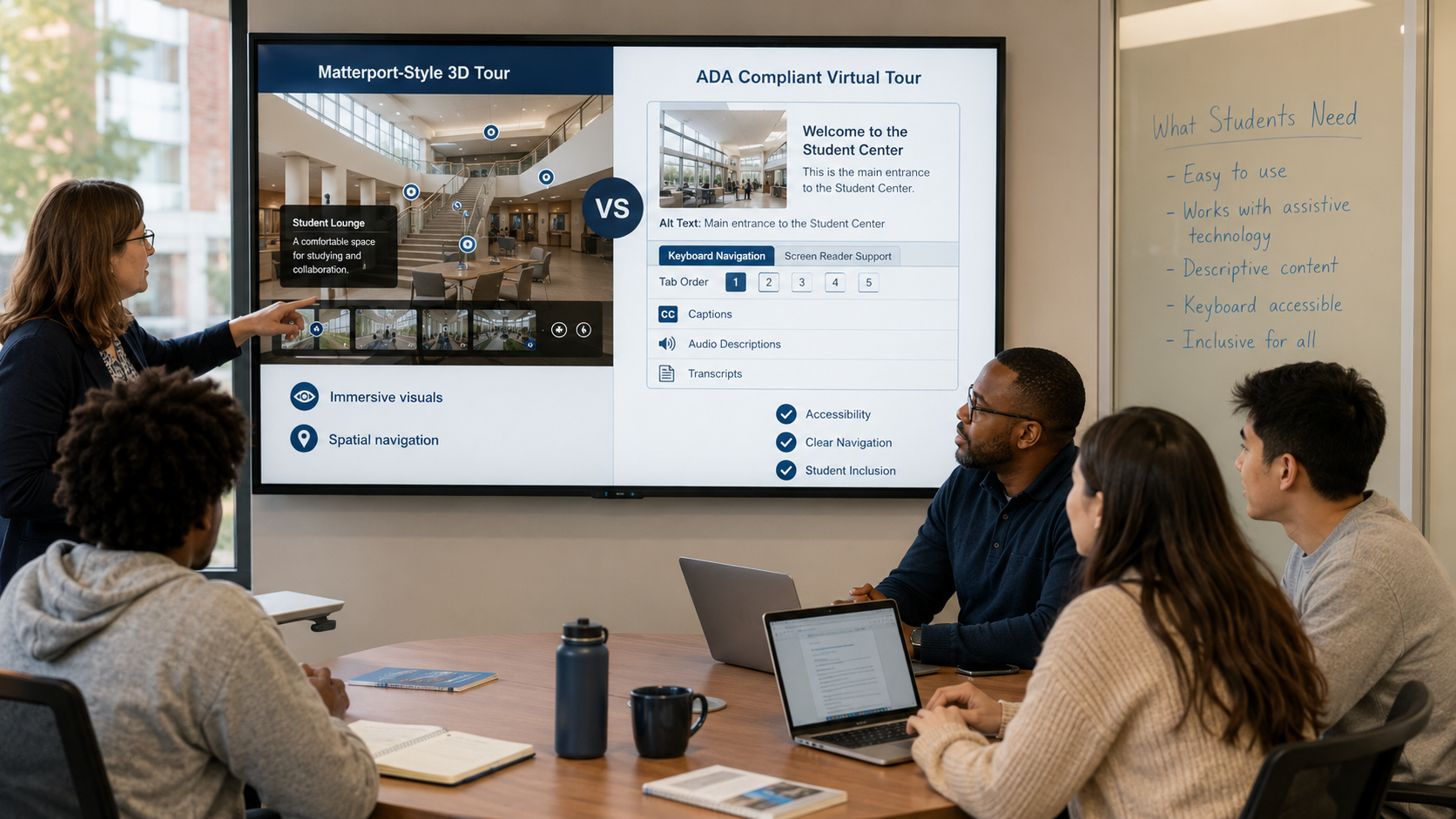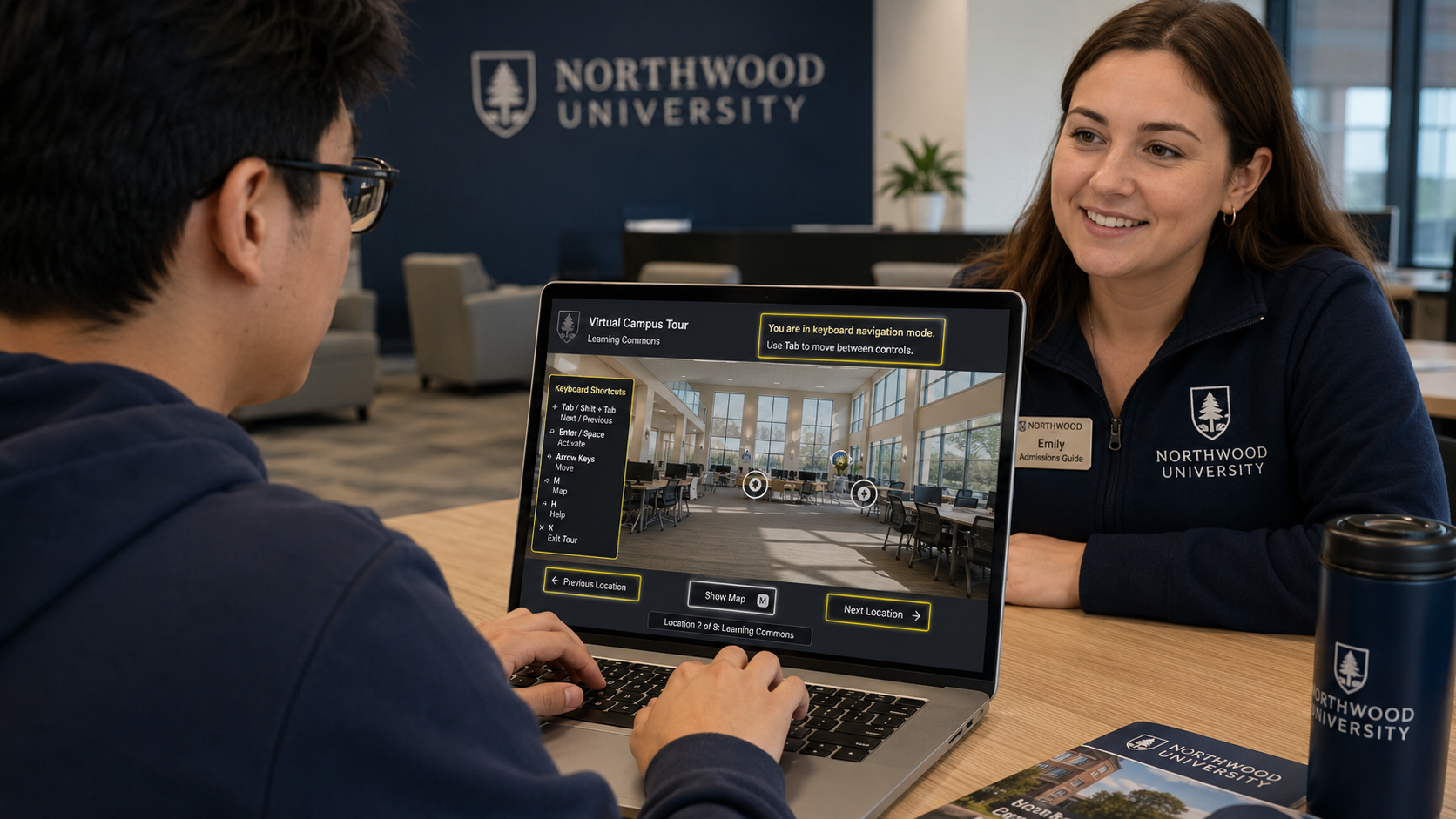








I have a virtual tour on my website and would like an audit.

I don't have a virtual tour yet, would love a demo to see how it works.

Starting a business can feel impossible when you do not have a large amount of money. Many people believe they need an office, a team of employees, expensive software, professional equipment, and a large marketing budget before they can call themselves business owners. That idea may have been more common in the past, but the internet has changed how businesses can operate. Today, you can start many types of businesses from your home with a small budget and grow them as you begin earning money.
A virtual business is one of the easiest business models to consider when you want to keep your starting costs low. Instead of renting a physical store or office, you can use the internet to communicate with customers, provide services, sell products, manage projects, and handle many daily business tasks. Depending on what you offer, your laptop and internet connection may be the most important equipment you need.
The real challenge is not simply starting a business online. The bigger challenge is finding something people actually need and creating an offer that makes them willing to pay you. You also need to understand how to reach those people without wasting your limited budget. Starting small gives you the chance to test your idea, learn from real customers, and improve your business before making bigger investments.
This guide explains how to start a virtual business with little money in 2026. It covers how to choose an idea, find customers, set prices, build an online presence, control expenses, and turn a small beginning into a business that can grow over time.
What Is a Virtual Business?
A virtual business is a business that operates mainly through the internet rather than relying on a traditional physical location. The owner may work from home, a shared workspace, or another location while using online tools to communicate with customers and complete business tasks. Customers may never need to visit a physical office because the entire buying and service process can happen online.
There are many different forms of virtual businesses. A person with writing skills can provide content writing services. Someone who understands social media can manage accounts for companies. A person with strong organizational skills can work as a virtual assistant. Designers, developers, tutors, consultants, marketers, video editors, and many other professionals can also build businesses that operate online.
A virtual model does not mean that the business is less serious than a traditional company. It simply means that the business uses the internet as a major part of its operations. In many cases, this model allows an owner to avoid costs that come with a physical location, such as office rent, furniture, utility bills, and other expenses.
This lower cost is one of the main reasons a virtual business can be attractive to someone who has a limited budget.
Why Start a Virtual Business in 2026?
The internet has made it much easier for small businesses to reach customers outside their local area. A person sitting at home can provide a service to a customer in another city, state, or even country. This gives small business owners access to a much larger market than they might have if they depended only on people who live nearby.
Customers have also become comfortable doing business online. People schedule appointments through websites, communicate through video calls, make payments online, order products through online stores, and hire professionals they have never met in person. Because of this change, many services no longer require a physical office.
A virtual business can also offer flexibility. You may be able to choose your working hours, work from home, and avoid a daily commute. However, flexibility should not be confused with easy money. Running a business still requires planning, communication, customer service, marketing, and consistent work.
The biggest advantage is that you can start at a size that matches your budget. You can begin with one service and a few customers instead of trying to build a large company immediately.
You Do Not Need a Huge Amount of Money to Begin
One of the biggest mistakes new business owners make is spending too much money before they have proven that people want their service or product. They may spend heavily on branding, software, office equipment, advertising, and website design before earning their first dollar.
This approach can create unnecessary pressure.
When money is limited, your first goal should be proving that your business idea can make money. You do not need every possible business tool on your first day. You need the basic resources required to provide your service and communicate with customers.
For example, a freelance writer may need a computer, internet connection, writing software, and a way to show potential customers previous work. A virtual assistant may need a computer, internet connection, communication software, and knowledge of common business tools. A consultant may mainly need expertise, a professional online presence, and a way to communicate with clients.
As the business starts making money, you can reinvest some of that income into better tools and services.
Choose a Skill You Can Turn Into a Service
The first major decision is figuring out what you are going to sell. This does not necessarily mean creating a new product. For many people, the easiest way to start a virtual business is by selling a skill they already have.
Think about what you know how to do well. Maybe you are good at writing, organizing information, designing graphics, editing videos, managing social media, helping customers, teaching, researching, selling, or handling administrative work. These skills can become services when you package them in a way that solves a problem for another person or business.
You do not need to know everything before you begin. You simply need enough knowledge to provide a useful result. You can continue improving your skills as you work with customers.
If you do not have a skill that you can sell yet, that does not mean you cannot start. You can choose a skill that has market demand and spend time learning it. Free tutorials, affordable courses, practice projects, and real-world examples can help you build a foundation before you begin charging customers.
The important thing is to avoid trying to learn ten different skills at once. Choose one area, become useful at it, and then build from there.
Find a Problem That People Are Willing to Pay You to Solve
A skill alone does not automatically make a business.
People pay businesses because they want something done, improved, fixed, or made easier. This means you should think about the problem your service solves.
For example, saying that you are a “freelance writer” tells people what you do, but it does not explain how you help them. Saying that you help small businesses create website content gives potential customers a better idea of your value.
The same applies to almost any service. Instead of trying to sell a general skill to everyone, connect that skill to a specific customer problem.
If you can clearly explain what you do, who you help, and why your service matters, your marketing becomes much easier.
Decide Who You Want to Serve
Trying to sell to everyone can make your marketing confusing. A better approach is to choose a group of people who are likely to need your service.
You could focus on small businesses, real estate professionals, online stores, local companies, coaches, consultants, restaurants, technology companies, or another specific group. You do not have to stay with that group forever, but starting with a clear audience can help you understand your customers better.
Once you know your target customer, you can learn about their problems. What takes up their time? What tasks do they dislike? What work do they struggle to complete? What are they currently paying someone else to do?
These questions can help you create a service that has a real purpose.
For example, if you want to become a virtual assistant and decide to work with small real estate companies, you can learn about the administrative tasks that often take up their time. You can then build your service around those needs instead of offering a random collection of unrelated tasks.
Research Before You Spend Money
You do not need to spend money to research your market.
Look at businesses that already offer services similar to yours. Study their websites, service pages, customer reviews, social media content, and pricing where available. Pay attention to what customers like and what customers complain about.
Customer complaints can be especially useful.
If people regularly complain that a service provider takes too long to respond, you can make communication one of your strengths. If customers say they do not understand pricing, you can make your pricing easier to understand. If customers complain that providers do not meet deadlines, you can focus on reliable delivery.
You are not trying to copy another business. You are learning how the market works and looking for ways to create a better experience.
This type of research can save you money because you are learning before investing.
Create a Simple Business Plan
A business plan does not have to be a huge document.
When you are starting with little money, a simple plan is often enough. You need to understand what you will sell, who you will sell it to, how customers will find you, how much you will charge, and what it will cost to deliver the service.
You should also think about your income goal.
Suppose you want your business to eventually generate $4,000 per month. You need to think about how many customers you would need to reach that amount. If your average customer pays $500 per month, you would need eight customers to reach $4,000 in monthly revenue before expenses.
This simple calculation can help you understand whether your pricing and business model make sense.
Your plan can change later. You are not trying to predict the future perfectly. You are simply creating a clear starting point.
Build a Simple Online Presence
Your potential customers need a way to learn about your business.
A simple website can provide that information. It should explain what you offer, who you help, why customers should consider you, and how they can contact you.
Do not worry about making the website extremely complicated. A clear website with useful information is more valuable than a beautiful website that does not explain what the business actually does.
Your website should also show examples of your work when possible. A portfolio can be especially important for service businesses because customers want evidence that you can do the job.
If you have never worked with a customer before, create sample work. A designer can create sample designs. A writer can create sample articles. A video editor can create sample videos. A social media manager can create sample content plans.
You need to give people something they can judge.
Use Social Media Without Wasting Money
Social media can be useful for a new virtual business, especially when you do not have a large advertising budget.
You do not need to post constantly on every platform. Instead, choose the platforms where your target customers are most likely to spend time.
Your content should help people understand your knowledge and your service. You can answer common questions, explain problems, share useful tips, show examples of your work, and talk about lessons you have learned.
Avoid making every post a sales pitch.
People are more likely to pay attention when you provide something useful. Over time, helpful content can build trust and make potential customers more familiar with your business.
Social media should support your business, not become your entire business strategy.
Finding Your First Customers
Getting the first customer is often the hardest part of starting a business.
You cannot simply create a website and wait for people to discover you. You need to actively put your business in front of potential customers.
Start with people who have a genuine reason to need your service. You can contact potential customers through email, professional networking platforms, social media, business groups, referrals, and your existing network.
Your message should be personal and relevant. Explain what you do and why you believe your service could help that particular business.
Do not send a huge paragraph about your life story.
Show that you understand their business and have a useful solution.
You should also be prepared for rejection. Some people will not respond. Others will say no. That is normal when you are building a business.
The goal is to keep learning and improving your approach.
Start With a Small Offer
New businesses often struggle because they ask customers to make a large commitment immediately.
A small first project can make things easier.
For example, if you offer social media management, you could start with a smaller content package. If you provide design services, you could offer a specific design project rather than a large monthly contract.
This gives the customer a chance to see your work without making a major commitment.
Once you have delivered good results, the customer may be more comfortable hiring you for larger projects.
Starting small does not mean staying cheap forever. It simply gives you a practical way to build trust and collect experience.
Set a Price That Allows You to Grow
Pricing is one of the hardest decisions for a new business owner.
Many beginners make the mistake of charging extremely low prices because they are worried that customers will reject them. While a low price may attract some customers, it can also make it difficult to build a healthy business.
You need to consider the time required to complete your work, your operating expenses, taxes, software costs, and the income you want to earn.
Your price should leave enough room for the business to survive and improve.
As your experience increases and your service becomes stronger, your pricing can change.
You should also remember that customers do not always choose the cheapest option. People often care about quality, communication, reliability, speed, and the overall experience.
Keep Your Business Expenses Under Control
Starting a virtual business with little money requires discipline.
You should question every expense before paying for it.
Ask yourself whether the expense helps you serve customers, find customers, save meaningful time, or improve your business.
If the answer is no, you may not need it yet.
You may see other businesses using expensive software, professional photography, premium websites, and large advertising campaigns. That does not mean you need the same things when you are starting.
Your business should grow according to your actual income rather than your desire to look bigger than you are.
A simple business that makes money is more valuable than an impressive business that spends more than it earns.
Use Affordable Tools
Most virtual businesses need several basic tools, but you do not have to pay for the most expensive versions.
You may need email, video meeting software, cloud storage, online documents, a calendar, project management tools, payment processing, and accounting support.
Start with what you actually need.
As your customer list grows, you may discover that a paid tool saves you enough time to justify its cost. At that point, upgrading makes sense.
This approach keeps your early expenses low while still allowing you to improve the business when the money is available.
Keep Business and Personal Money Organized
Even if you are working alone, you should take your business finances seriously.
Keep records of your income and expenses from the beginning. Save invoices and receipts. Know how much money is coming into the business and where your money is going.
It can be tempting to treat all money in your bank account as personal income, especially when you are just starting. However, a business has expenses and may also have tax obligations.
The exact rules depend on where you live and how your business is structured. You should check the relevant government guidance in your area or speak with a qualified accountant or tax professional.
Good financial records are much easier to maintain when you start them early.
Focus on Customer Service
A customer may forgive a simple website. They may even forgive a small mistake if you handle it properly.
What customers often remember is how you treated them.
Respond clearly. Keep your promises. Meet deadlines whenever possible. If a delay happens, tell the customer instead of disappearing. If you do not understand something, ask questions before starting the work.
Good communication can become one of your biggest advantages as a small business.
Large companies may have more resources, but a small virtual business can often provide a more personal experience.
When customers feel that you care about their results, they are more likely to come back.
Ask Happy Customers for Reviews
Once you have completed successful projects, ask satisfied customers for reviews.
Reviews provide social proof. A potential customer who has never worked with you may feel more comfortable when they can see that other people have had a positive experience.
You can display reviews on your website and use them in appropriate marketing materials.
You can also ask happy customers for referrals.
A referral can be extremely valuable because the potential customer already has some level of trust before contacting you.
Do not pressure customers into giving reviews. Simply ask after you have delivered a good result.
Improve Your Skills as You Grow
Your business should not stay the same forever.
Customer needs change. Technology changes. New competitors appear. New ways of working become popular.
You should continue learning skills that make your service more valuable.
This does not mean taking every course you see online. Focus on learning things that connect directly to your business.
If you are a writer, improve your writing and research skills. If you manage social media, learn more about content and audience behavior. If you provide virtual assistance, become comfortable with tools that your customers already use.
Small improvements can add up over time.
Do Not Spend Too Much on Branding at the Beginning
Branding matters, but it should not become an excuse to delay your business.
You do not need to spend thousands of dollars on a logo before you have your first customer.
A simple logo, clean website, professional email address, and consistent presentation can be enough when you are starting.
Your reputation will eventually become a much bigger part of your brand than your logo.
If customers know you as someone who delivers quality work, responds quickly, and keeps promises, that reputation is worth far more than an expensive design package.
Build the business first. Improve the branding as the business grows.
Popular Virtual Business Ideas for Beginners
There are many ways to create a virtual business, but service businesses are often attractive to beginners because they can be started without buying large amounts of inventory.
Virtual assistance is one option for people who are organized and comfortable handling administrative tasks. A virtual assistant can help with scheduling, email, research, customer support, data entry, and other online tasks.
Writing is another option for people who have strong communication skills. Businesses need website content, blog posts, product descriptions, emails, and other written material.
Graphic design can work well for people who understand visual communication. Businesses regularly need social media graphics, advertisements, presentations, website images, and other designs.
Video editing is also an option because businesses and creators increasingly use video content online. Someone with editing skills can begin with smaller projects and build a portfolio over time.
Online tutoring can be suitable for people who have strong knowledge of a particular subject. Lessons can be provided through video calls, allowing the tutor to work with students in different locations.
Social media management can also become a virtual business. Many small companies want to maintain an active online presence but do not have enough time to plan, create, and publish content themselves.
These are only examples. The right choice depends on your skills, interests, experience, and the needs of the customers you want to serve.
How Much Money Do You Need to Start?
There is no single amount that every person needs.
Someone who already owns a computer and has reliable internet may be able to start a service-based business with very little additional money.
Someone starting an online store may need more because they could have inventory, packaging, shipping, payment processing, and other expenses.
Someone selling digital products may have different costs because they may spend more time creating the product than buying physical materials.
This is why you should calculate the costs of your specific business instead of looking for a universal startup number.
Write down the things you absolutely need.
Then separate them from things that would simply be nice to have.
Start with the essentials.
Common Mistakes to Avoid
One of the biggest mistakes is trying to make the business look successful before making it successful. New owners may spend heavily on websites, branding, software, and advertising because they believe these things will automatically bring customers.
They will not.
A good website cannot save an offer that nobody wants.
Another mistake is trying to serve everyone. When your message is too broad, potential customers may not understand why they should choose you.
Some beginners also undercharge for their work. Low prices can make it difficult to pay expenses and eventually lead to burnout.
Finally, many people give up too early. A few unanswered emails do not mean the business cannot work. You may simply need to change your offer, target audience, marketing message, or sales process.
Can You Run a Virtual Business From Home?
Yes, many types of virtual businesses can be operated from home.
Your home can serve as your workspace while your website, email, phone, and online tools handle communication with customers.
However, working from home still requires discipline. Without a manager physically present, you need to organize your own schedule and make sure important tasks are completed.
Create a workspace where you can focus. Set working hours when possible. Keep customer files organized and protect sensitive information.
You should also check local requirements for running a business from home. Rules can vary depending on your location and type of business.
How to Grow After Getting Your First Customers
Once you have customers, your focus should shift from simply getting work to building a repeatable business.
Look at which services customers request most often. Identify which customers are the best fit. Notice which tasks take the most time and which processes can be improved.
You may eventually create packages instead of selling every service separately.
You may also offer monthly services that create recurring income.
As your revenue becomes more stable, you can consider hiring freelancers or remote workers to handle tasks that do not require your personal attention.
The important thing is to grow when the business can support growth.
Do not hire a large team simply because you want the company to look bigger.
Think Long-Term
A successful virtual business is rarely built in a few days.
You may start with one customer.
Then you may get another.
You improve your service.
Your portfolio becomes stronger.
Customers begin recommending you.
Your income becomes more consistent.
Eventually, you may have enough work to hire help or add new services.
That process can take time, but every stage teaches you something useful.
Instead of focusing only on how much money you can make this month, think about what kind of business you want to build over the next few years.
Final Thoughts
Starting a virtual business with little money is realistic, but it requires you to be careful about where you spend your time and money. You do not need a large office, a huge team, or expensive equipment to get started. What you need is a useful skill, a clear customer, a service that solves a real problem, and the willingness to find people who need that service.
Start with what you already have. Build a simple offer and test it with real customers. Keep your early costs low and avoid buying tools simply because other businesses use them. Once money starts coming in, reinvest it into things that help you save time, improve your service, or attract more customers.
Most importantly, do not wait for perfect conditions. Your first website may not be perfect. Your first marketing message may not work. Your first customer may ask questions you were not expecting. These experiences are part of learning how to run a business.
The internet allows you to start small and reach customers far beyond your local area. With patience, good service, careful spending, and a clear plan, a small virtual business can grow into a reliable source of income.
The goal is not to build everything at once.
The goal is to build something useful, get your first customer, learn from that experience, and keep improving.
FAQs
A virtual business is a business that mainly operates online rather than from a traditional physical office or store. Owners can communicate with customers, sell services or products, manage projects, accept payments, and complete work through the internet. Some virtual businesses are run by one person, while others have remote teams working from different locations.
You may be able to start some types of virtual businesses with very little money, especially if you already have a computer and internet connection. Service businesses such as writing, virtual assistance, tutoring, design, and consulting can have low starting costs. However, you may still need to pay for basic business expenses such as registration, software, internet, or payment services.
The best option depends on your skills and experience. Service-based businesses are often easier to start with a small budget because you can sell your time and skills without buying inventory. Virtual assistance, writing, graphic design, video editing, online tutoring, consulting, and social media management are examples that can be started from home with basic equipment.
You do not always need a website on your first day, but having one can make your business look more professional and give potential customers a place to learn about your services. If your budget is very limited, you can begin with a simple online profile or portfolio and build a full website after you start earning money.
Start by identifying the type of customer who needs your service. You can then contact potential customers through professional networks, email, social media, industry groups, referrals, and your existing contacts. Instead of sending the same message to everyone, explain how your service can solve a specific problem. Clear and personal communication can help you get your first opportunities.
The cost depends on the type of business you choose. A service-based business can often start with a computer, internet connection, basic software, and an online presence. An online store may require more money because of products, shipping, and other costs. Make a list of essential expenses first and avoid spending money on extras until your business starts generating income.
Yes. Many virtual businesses can be operated from home because most communication, work, marketing, and customer service can happen online. You generally need a suitable workspace, reliable internet, and the equipment required for your service. Depending on where you live, you should also check local rules about business registration, taxes, and working from home.
There is no fixed timeline because every business is different. Your results can depend on your service, skills, pricing, target customers, marketing, and effort. Some people may find customers quickly, while others may need several months to build steady income. Focus first on finding a real customer need and providing good service rather than expecting instant results.
The skills you need depend on what you plan to sell. You might need writing, design, marketing, customer service, teaching, sales, technical, or organizational skills. You also need basic communication and time management skills because most virtual work depends on clear online communication. If you do not have a useful skill yet, you can learn and practice one before offering it professionally.
Once you have regular customers, focus on improving your service and creating systems that save time. You can increase prices when your experience and value grow, introduce new services, ask satisfied customers for referrals, and build stronger marketing channels. When income becomes stable, you can also consider outsourcing routine work or hiring remote help so you can focus on growing the business.
I have a virtual tour on my website and would like an audit.
I don't have a virtual tour yet, would love a demo to see how it works.