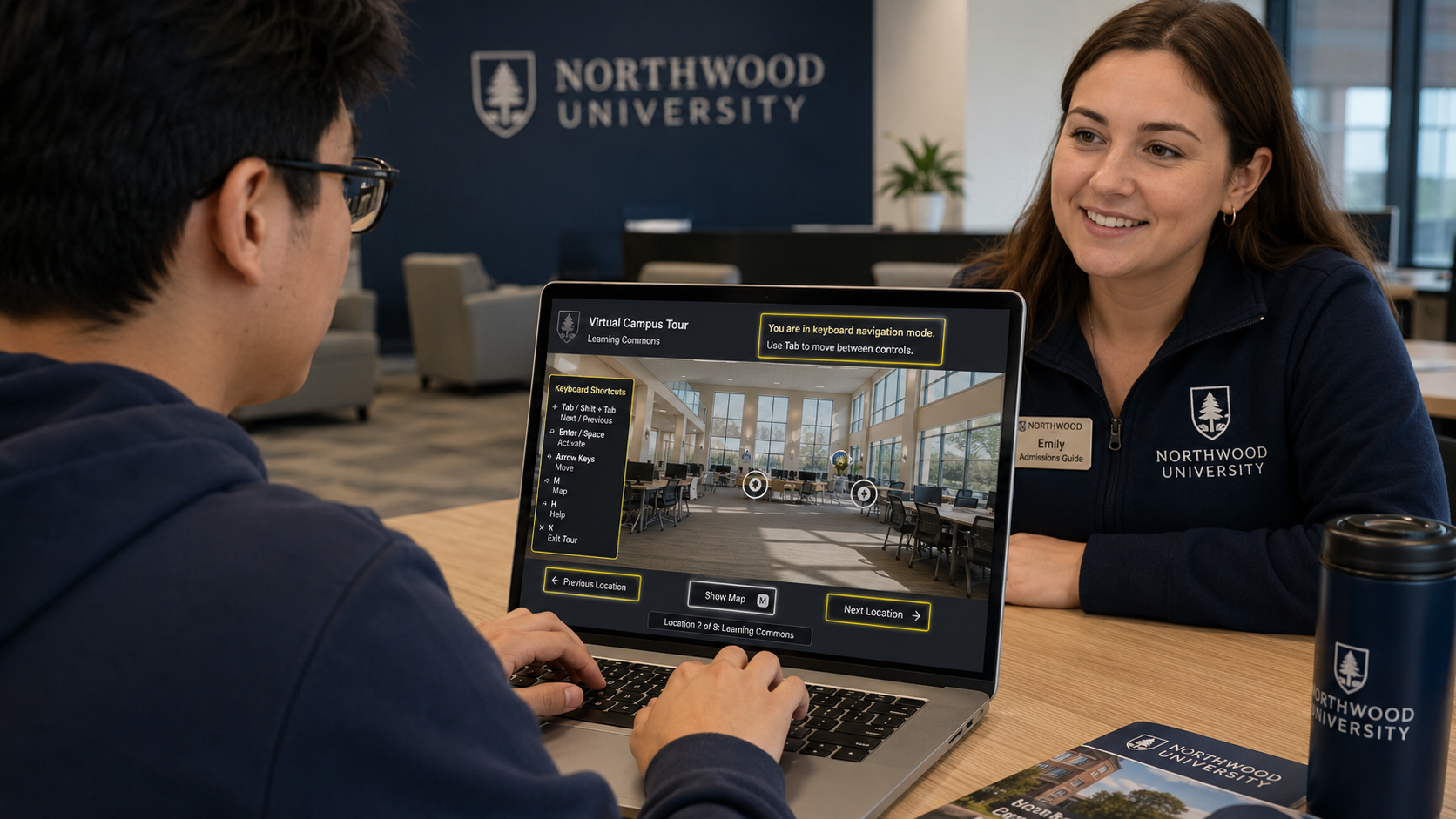








I have a virtual tour on my website and would like an audit.

I don't have a virtual tour yet, would love a demo to see how it works.

Have you ever looked into a mirror and wondered why your reflection looks exactly like you but cannot be touched? Or have you used a magnifying glass and noticed that the image changes when you move it closer or farther away? These are simple examples of how light creates different types of images.
Understanding Real vs. Virtual Images may sound difficult at first, but it is actually very easy once you know the basics. This topic is taught in schools because it helps explain how mirrors, lenses, cameras, microscopes, telescopes, and many other everyday objects work.
Today, the same ideas are also used in digital technology. Interactive displays, virtual tours, and immersive experiences all depend on how people see and understand images. Companies like Mass Interact use advanced visual technology to create engaging digital experiences that make learning, marketing, and exploration more interactive.
In this guide, we will explain real and virtual images using simple words and easy examples that anyone can understand.
What Is an Image in Physics?
An image is a picture of an object that is created when light rays reflect from a mirror or pass through a lens.
When light travels from an object, it moves in different directions. Mirrors and lenses change the path of those light rays. Your eyes then see an image based on where the light appears to come from.
There are two main types of images:
- Real images
- Virtual images
Learning the difference between these two is the key to understanding many optical devices.
What Is a Real Image?
A real image is formed when light rays actually meet at one point after reflection or refraction.
Because the light rays really come together, the image can be projected onto a screen.
Real images are usually upside down, although their size may change depending on the position of the object.
For example, if you use a projector in a classroom, the picture shown on the screen is a real image.
Another common example is a camera. The lens focuses light onto the camera sensor to create a real image before the photo is saved.
Main Features of a Real Image
Real images have several easy-to-remember characteristics.
- They are formed when light rays actually meet.
- They can be displayed on a screen.
- They are usually upside down.
- Their size may be larger, smaller, or the same as the object.
These simple points help students quickly recognize a real image during science lessons.
What Is a Virtual Image?
A virtual image is formed when light rays do not actually meet.
Instead, the rays spread apart after reflection or refraction, and your brain traces them backward. This makes it appear as though the image is coming from behind the mirror or lens.
Because the light never actually meets, a virtual image cannot be projected onto a screen.
The most familiar example is your reflection in a bathroom mirror.
Although you clearly see yourself, there is no actual image behind the mirror.
Main Features of a Virtual Image
Virtual images also have several simple characteristics.
- The light rays do not actually meet.
- The image cannot be shown on a screen.
- The image is usually upright.
- It appears behind the mirror or lens.
- It changes as the viewer moves.
These features make virtual images easy to identify.
Real vs. Virtual Images
Understanding Real vs. Virtual Images becomes much easier when you compare them side by side.
A real image is created when light rays actually meet. A virtual image is created when the rays only appear to meet.
A real image can be projected onto a screen. A virtual image cannot.
Real images are usually inverted. Virtual images are normally upright.
Real images are commonly formed by projectors, cameras, and some lenses. Virtual images are commonly seen in mirrors and magnifying glasses when used at certain distances.
Although these differences seem small, they are very important in physics and everyday technology.
Examples of Real Images in Daily Life
Many devices around us create real images.
- Projectors display movies and presentations on screens.
- Camera lenses focus light onto image sensors.
- Movie projectors work by creating real images on large screens.
- Some microscopes also produce real images before additional lenses enlarge them for viewing.
These examples show that real images play an important role in education, photography, entertainment, and science.
Examples of Virtual Images in Daily Life
Virtual images are even more common because we see them almost every day.
- Looking into a mirror creates a virtual image.
- Vehicle side mirrors create virtual images that help drivers see traffic.
- Many makeup mirrors produce larger virtual images to help people see fine details.
- Magnifying glasses can also create virtual images when the object is placed close enough to the lens.
Without virtual images, many everyday activities would become much more difficult.
How Mirrors Create Images
Mirrors work by reflecting light.
When light strikes a flat mirror, it bounces back at the same angle.
Your eyes follow these reflected rays backward, making your brain believe the image is located behind the mirror.
This is why you cannot touch your reflection even though it appears to be right in front of you.
Different types of mirrors create different kinds of images depending on their shape.
- Plane mirrors usually create upright virtual images.
- Concave mirrors can create either real or virtual images depending on the object’s distance.
- Convex mirrors usually create smaller virtual images that allow people to see a wider area.
How Lenses Create Images
Unlike mirrors, lenses bend light instead of reflecting it.
A convex lens can create both real and virtual images depending on where the object is placed.
A concave lens usually creates smaller virtual images.
This ability to bend light makes lenses useful in cameras, microscopes, telescopes, binoculars, and eyeglasses.
Scientists carefully design lenses to produce the type of image needed for each application.
Why Students Learn About Real vs. Virtual Images
Understanding Real vs. Virtual Images helps students build a strong foundation in science.
Once students understand how light behaves, they can better understand topics such as optics, photography, astronomy, and engineering.
The same concepts are also used when designing medical equipment, scientific instruments, and modern digital displays.
Learning these basics today can help students explore many exciting careers in the future.
Real and Virtual Images in Modern Technology
Image science is no longer limited to classrooms.
Today, businesses use advanced visual technology to create interactive experiences for customers around the world.
Museums offer virtual tours.
Real estate companies provide interactive property walkthroughs.
Educational organizations create digital learning experiences that allow users to explore information in exciting new ways.
Companies like Mass Interact help organizations transform traditional content into engaging virtual experiences using modern visualization technology.
By combining creative design with advanced digital tools, they help businesses, museums, schools, and property owners deliver interactive experiences that keep users engaged.
Why It Is Important to Know the Difference
Understanding Real vs. Virtual Images is useful for more than passing a science test. It helps explain how many everyday devices work and why they are designed the way they are.
When you understand how light behaves, it becomes easier to see why a camera can capture a photo, why a mirror shows your reflection, and why a projector needs a screen.
This knowledge is also helpful for students who want to study physics, engineering, photography, or computer graphics later in life.
Common Mistakes Students Make
Many students mix up real and virtual images because both are created by light. However, remembering a few simple facts can make the topic much easier.
One common mistake is thinking that every mirror creates a real image. In reality, a regular flat mirror creates a virtual image.
Another mistake is believing that every image can be shown on a screen. Only real images can be projected because the light rays actually meet.
Some students also assume that all real images are larger than the object. In fact, a real image can be larger, smaller, or the same size depending on the position of the object and the lens or mirror being used.
Simple Tricks to Remember Real vs. Virtual Images
You do not have to memorize long definitions. A few simple tricks can help you remember the difference.
Think about a movie projector. The picture appears on a screen, so it is a real image.
Now think about your bathroom mirror. You can clearly see yourself, but you cannot place a screen behind the mirror to capture your reflection. That makes it a virtual image.
You can also remember this simple rule:
- Real images can be projected.
- Virtual images cannot be projected.
- Real images form when light rays meet.
- Virtual images only appear to meet.
- Real images are usually upside down.
- Virtual images are usually upright.
These easy ideas help most students answer exam questions with confidence.
Real vs. Virtual Images in Everyday Life
Even if you never become a scientist, you will still use devices that depend on real and virtual images every day.
For example:
- Cameras create real images before saving photographs.
- Projectors create real images on screens.
- Rear-view and side mirrors create virtual images.
- Magnifying glasses often create virtual images for reading.
- Telescopes and microscopes use both real and virtual images inside their optical systems.
The next time you use one of these devices, you will better understand what is happening with the light.
How Digital Technology Uses Image Science
Modern technology depends on the same basic ideas of light and image formation.
Interactive displays, virtual exhibitions, digital learning platforms, and online property tours all use visual design to create experiences that feel natural and engaging.
Although digital images are created using computer technology, understanding how people see and interpret images remains very important. Good visual design helps users understand information more quickly and enjoy a better experience.
This is why businesses continue investing in interactive visual content.
Why Businesses Choose Interactive Visual Experiences
People today expect more than simple text and still pictures. They enjoy experiences that allow them to explore, interact, and learn at their own pace.
Businesses across many industries now use virtual experiences to connect with customers.
These include:
- Museums sharing online exhibits.
- Schools offering interactive learning.
- Real estate companies providing virtual property tours.
- Retail businesses creating digital product displays.
- Tourism companies showcasing destinations.
Interactive content keeps visitors engaged longer and helps them better understand what an organization offers.
Why Choose Mass Interact?
If your organization wants to create engaging visual experiences, choosing the right technology partner is important.
Mass Interact helps businesses, schools, museums, and real estate companies develop professional interactive solutions that are simple to use and visually impressive.
Whether you want to build virtual tours, educational experiences, or interactive presentations, Mass Interact focuses on creating content that is easy for users to explore on computers, tablets, and smartphones.
The company combines creative design with modern technology to produce digital experiences that keep audiences interested while supporting learning and business growth.
Conclusion
Learning about Real vs. Virtual Images does not have to be difficult. Once you understand how light behaves, the difference becomes very clear.
A real image is formed when light rays actually meet, which means it can be projected onto a screen. A virtual image is formed when light rays only appear to meet, so it cannot be displayed on a screen.
These simple ideas explain how mirrors, lenses, cameras, projectors, microscopes, and many other devices work.
The same principles also inspire modern digital experiences that help people explore information in new and exciting ways. From virtual museum tours to interactive property walkthroughs, image science continues to shape the technology we use every day.
If your organization is looking to create engaging digital experiences that capture attention and improve user interaction, Mass Interact offers professional solutions designed for today’s connected world.
FAQs
The main difference between real and virtual images is how the light rays behave. A real image is formed when light rays actually meet and can be projected onto a screen. A virtual image is formed when light rays only appear to meet, so it cannot be projected. Real images are usually upside down, while virtual images are usually upright.
A real image is created when reflected or refracted light rays actually come together at one point. Since the light physically meets, the image can be displayed on a screen. Cameras, projectors, and some optical instruments use real images to capture or display pictures for different purposes.
A virtual image is created when light rays spread apart but appear to come from a point behind a mirror or lens. The rays never actually meet, so the image cannot be projected onto a screen. Your reflection in a flat mirror is one of the most common examples of a virtual image.
No. A virtual image cannot be projected because the light rays never actually meet. Your eyes only perceive the image as coming from a certain location. In contrast, a real image can easily be projected because the light rays physically converge at one point.
A flat mirror always produces a virtual image. Convex mirrors also create virtual images that appear smaller than the object. Concave mirrors can create either a real or virtual image depending on how far the object is placed from the mirror.
Real images are commonly used in projectors, cameras, movie theaters, microscopes, and many scientific instruments. These devices rely on light rays meeting at a specific point to produce images that can be recorded, displayed, or viewed through additional optical systems.
Students learn Real vs. Virtual Images because they provide the foundation for understanding optics and light. This knowledge helps explain how mirrors, lenses, telescopes, microscopes, cameras, and many everyday devices work while preparing students for more advanced science topics.
Yes. Convex lenses can create either real or virtual images depending on the position of the object. Concave lenses usually create virtual images. This flexibility allows lenses to be used in many devices, including cameras, microscopes, telescopes, and reading glasses.
Understanding image formation helps engineers design cameras, display systems, microscopes, virtual experiences, and educational tools. The same basic principles of light continue to support many modern technologies that improve communication, learning, healthcare, and digital experiences across different industries.
Mass Interact helps organizations create interactive visual experiences that engage audiences and improve communication. From virtual tours to educational content and digital presentations, the company develops user-friendly solutions that combine creative design with modern technology, helping businesses connect with customers through high-quality digital experiences.
I have a virtual tour on my website and would like an audit.
I don't have a virtual tour yet, would love a demo to see how it works.